I Finally Stopped Rushing In With Answers — and My Kids Started Actually Talking to Me
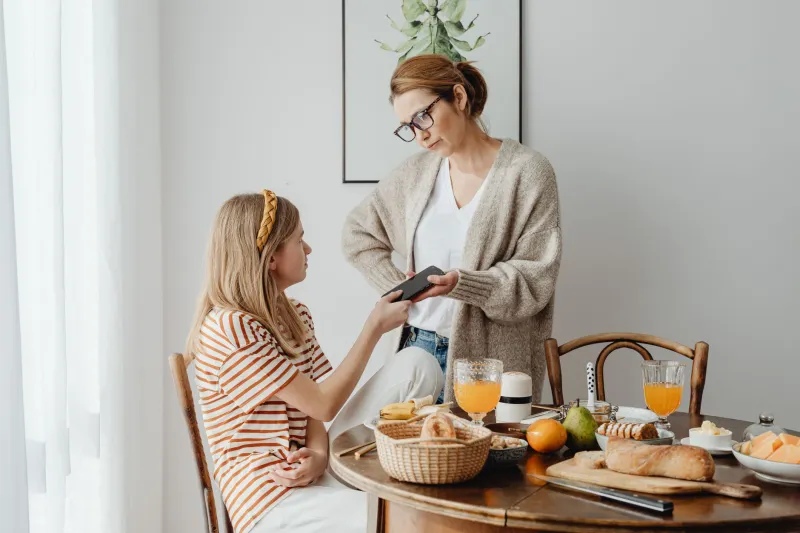
There's this moment I keep coming back to. My daughter — she was maybe eleven at the time — came home from school with that look on her face. You know the one. Shoulders a little low, eyes not quite meeting yours, the kind of quiet that fills a room.
She started talking. Something about a friend, a group project, feeling left out. And before she'd even gotten to the part where she told me how she felt, I was already three steps ahead in my head. Should I call the teacher? Should I help her draft a text to this friend? Should I explain that middle school friendships are basically survival of the emotionally fittest?
I jumped in. Gave her the whole roadmap. Practical, efficient, mom-approved.
She looked at me for a second, said "okay," and went upstairs.
The conversation was over. Technically, I had "helped." But I hadn't heard a single word she actually said.
The Fixer Instinct Is Real — and It Comes From Love
I don't think I'm alone in this. So many of us were raised in households where problems were meant to be solved, not sat with. Where emotions were fine, sure, but action was the point. You cried, someone handed you a tissue and a plan.
For me, jumping in was never about dismissing my kids. It was the opposite — it came from this deep, almost physical need to protect them from discomfort. If I could just smooth the road ahead fast enough, they wouldn't have to hurt.
But here's what I didn't understand for a long time: the fixing wasn't actually for them. A lot of it was for me. Their pain made me uncomfortable, and solving it made that discomfort go away.
That's a hard thing to admit. But it's true.
The Year Things Started to Shift
The change didn't happen overnight, and honestly, it didn't happen because I had some big epiphany. It happened because I got tired.
I was exhausted from always being the one with the answer. From the mental labor of constantly scanning for problems to address. And slowly, I started noticing something: my kids weren't coming to me as much. Not because they didn't need me — but because they'd learned that coming to me meant getting a solution, not a conversation.
My son, who was fourteen, had basically stopped telling me anything real. One-word answers. "Fine." "Good." "Nothing." I thought it was just the teenage wall. And maybe part of it was. But part of it was also that he'd been trained — by me — to expect that sharing something meant getting a response, not a reception.
So I started trying something different. When he talked, I just... listened. No suggestions. No "have you tried..." No reframing the situation into something more manageable. Just: I hear you. That sounds really hard. Tell me more.
The first few times, it felt so unnatural I almost couldn't stand it. Every instinct I had was screaming to fill the silence with something useful.
But then something shifted.
What Silence Actually Makes Room For
He started talking more.
Not right away. But gradually, over weeks, my son started lingering in the kitchen a little longer after dinner. Started finishing thoughts instead of trailing off. Started saying things like, "I don't know, it just bothered me," and actually explaining why — because he knew I wasn't going to interrupt with a fix.
My daughter, too. That same kid who used to give me the "okay" and disappear upstairs? She started coming back. Not every time, not dramatically. But enough that I noticed.
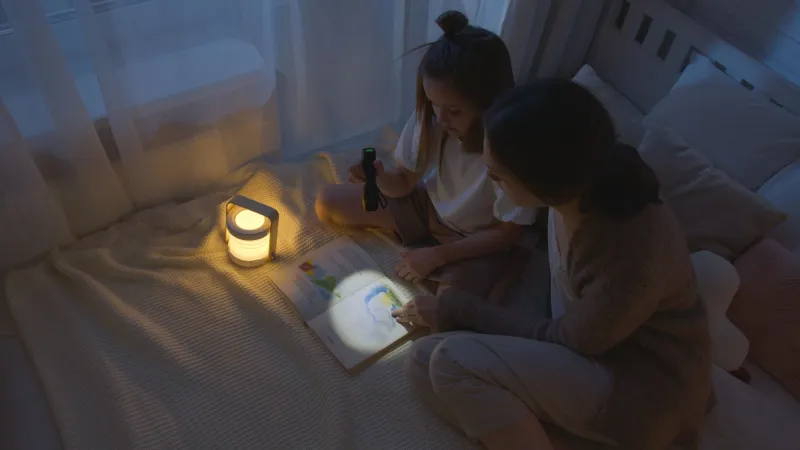
One night she sat on the edge of my bed for almost an hour just talking through something that was bothering her at school. I didn't offer a single piece of advice. I asked questions. I nodded. At one point I said, "That would've frustrated me too." And she looked at me like I'd said something genuinely surprising.
"You're not going to tell me what to do?" she asked.
"Do you want me to?"
She thought about it. "Not yet. I just needed to say it out loud."
The Difference Between Being Helpful and Being Present
I've thought a lot about why listening feels so radical when it's actually so simple. I think it's because our culture — especially American parenting culture — is obsessed with productivity. Even in our relationships, we want to show ROI. We helped. We fixed. We moved the needle.
But kids don't always need the needle moved. Sometimes they need someone to sit in the same place they're sitting and say, yeah, this is hard, and you're not alone in it.
That's not passive parenting. That's actually the harder work. It requires you to tolerate their discomfort without rushing to end it. To trust that they're capable of working through something, even if it takes longer than your solution would have.
It requires you to believe that your presence is enough — even when you're not doing anything.
What I'm Still Learning
I won't pretend I've got this down. There are still nights when my kid starts a sentence and I'm already mentally Googling solutions. The fixer in me doesn't retire easily.
But I've started asking a question before I respond: Do they need me to solve this, or do they need me to hear it?
Ninety percent of the time, it's the second one.
And on the rare occasion when they actually do want advice, they'll ask. Directly. Because now they know I'm not going to bulldoze them with it uninvited.
There's something else, too — something I didn't expect. When I stopped being the fixer, I stopped feeling so alone in the parenting. Like I'd been carrying this invisible obligation to have answers for everything, and letting go of it made me feel lighter. More human. More like a mom who's figuring it out alongside her kids, rather than one who's supposed to be ten steps ahead.
My daughter told me recently, out of nowhere, that I was "easier to talk to now."
I didn't ask her to elaborate. I just said, "I'm glad."
And I let that be enough.