I Used to Win Every Bedtime Battle — Until I Realized What I Was Actually Losing
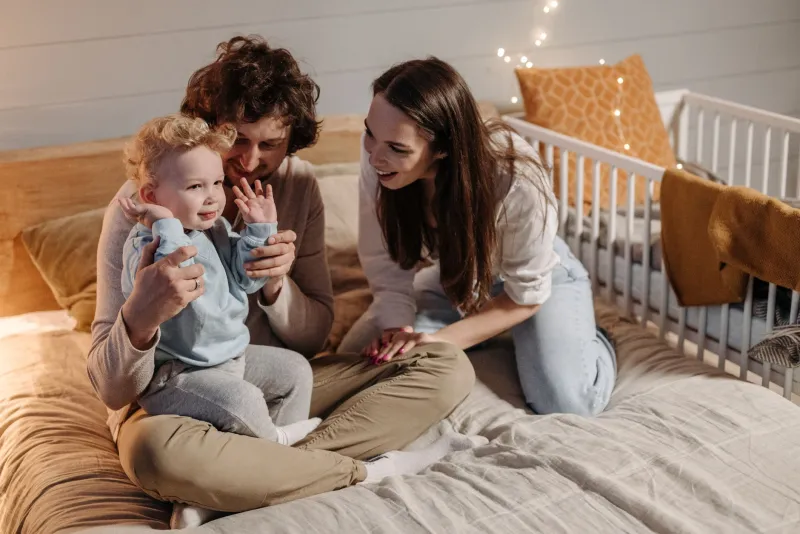
Every night at 8:30, it started.
The stalling. The "I'm thirsty." The sudden, urgent need to tell me about something that happened at recess three days ago. The tears that came out of nowhere. The negotiations over whether the nightlight counted as a real light being on. My kids were creative, I'll give them that.
And every night, I won. Lights out, door closed, done. I'd walk back downstairs feeling like I'd just survived a minor hostage situation and pour myself a well-earned glass of wine.
For a long time, I told myself I was doing the right thing. Kids need sleep. Structure matters. Consistency is everything — every parenting book I'd ever skimmed at the pediatrician's office said so. I wasn't being mean. I was being a good mom.
But then came the night that cracked something open in me.
The Moment I Couldn't Ignore
My daughter Mia was seven. She'd been doing the usual delay routine — a glass of water, a complaint about her pajamas being itchy, the classic "I can't sleep" delivered approximately four minutes after I'd turned off the light. I went back in, ready to give my firm, practiced response.
And she looked at me and said, "Mom, I just don't want to be alone yet."
Not "I'm scared." Not another excuse. Just that. Quiet and honest and completely disarming.
I stood there in her doorway holding a cup of water she didn't actually need, and I felt the full weight of what I'd been doing. I'd been so focused on winning — on getting compliance, on hitting the timeline, on having thirty minutes to myself before I passed out on the couch — that I hadn't once stopped to wonder what bedtime actually felt like from her side.
I sat down on the edge of her bed that night. We talked for maybe ten minutes. Nothing earth-shattering — she told me about a girl at school who'd been a little mean, something she'd been carrying around all day without knowing how to bring it up. Then she fell asleep.
Just like that.
What I'd Been Getting Wrong
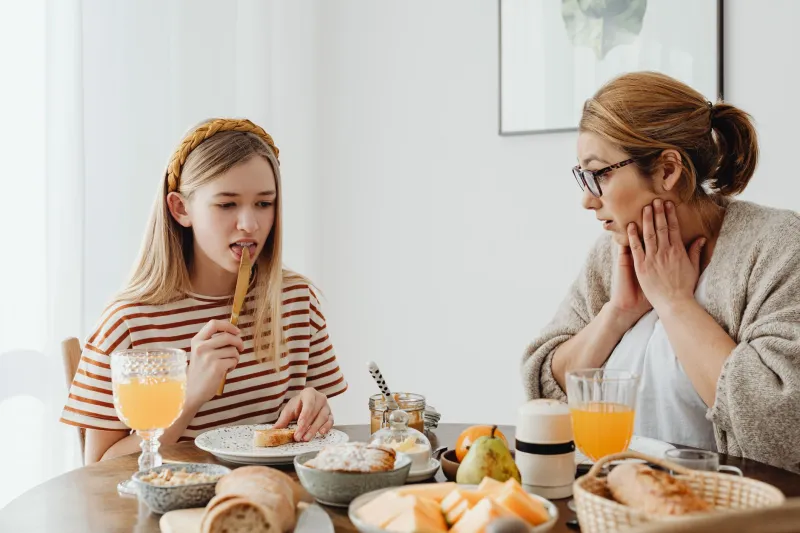
Here's the thing nobody tells you about bedtime: for kids, it's not just about sleep. It's the end of the day, which means it's also the end of their access to you. For kids who are in school all day, in aftercare, in activities — the few minutes before lights-out might genuinely be the only quiet moment they get to process everything that happened.
I'd been treating those moments like obstacles.
I started paying attention differently after that night with Mia. What were my kids actually doing during the stalling? My son Jake, who was nine, would ask me the most random questions right before bed — philosophical stuff, like whether dogs know they're dogs, or whether our house looked different from space. I used to cut those conversations off. "That's a great question, buddy, but it's time to sleep." Now I wonder how many of those questions were really him saying I want to think with you for a little while.
Mia's delays were almost always social. She needed to talk. She needed to feel heard before she could let the day go.
Once I understood that, the whole thing changed.
What Bedtime Looks Like Now
I'm not going to pretend I transformed overnight into some kind of zen bedtime guru. I still have nights where I'm exhausted and I just need everyone to please, for the love of all things, go to sleep. That's real life.
But I made a few small shifts that genuinely helped.
First, I built in a buffer. Instead of expecting lights-out at 8:30 sharp, I started our routine at 8:00 with the understanding that the last fifteen minutes were flexible — conversation time, question time, whatever they needed. When kids know they have a window, the frantic grasping for more time mostly stops.
Second, I started asking first. Before they could launch into stall mode, I'd sit down and say, "Okay, tell me one thing about today." Just one. Sometimes it turned into five minutes of talking. Sometimes they'd say "nothing" and be asleep in four minutes. Either way, I'd opened the door.
Third — and this was the hardest one — I stopped treating their feelings at bedtime like manipulation. Anxiety is real. Loneliness is real. The fear of missing out on whatever the adults are doing downstairs is real. When I acknowledged that instead of dismissing it, something in the dynamic shifted. They trusted me more. And weirdly, they pushed back less.
The Unexpected Payoff
Here's what I didn't expect: when I stopped trying to win, bedtime actually got easier. Not every night. But most nights.
Jake started coming to me during the day with things he used to save for bedtime — because he knew I'd actually listen. Mia started falling asleep faster, probably because she wasn't lying there holding onto unsaid things.
And me? I stopped ending every night feeling like I'd just wrestled someone. I started ending it feeling like I'd actually seen my kids that day.
That's not a small thing. In the chaos of school pickups and dinner and homework and all the logistics of keeping a family running, bedtime became the one moment where we were just — present. Not performing, not managing, not rushing. Just there.
I still lose track of time some nights. I still have nights where Jake asks me if black holes have feelings and I genuinely cannot engage with that at 9:15 on a Tuesday. But I no longer walk out of their rooms feeling like a warden. I walk out feeling like their mom.
And that's the win I actually wanted all along.