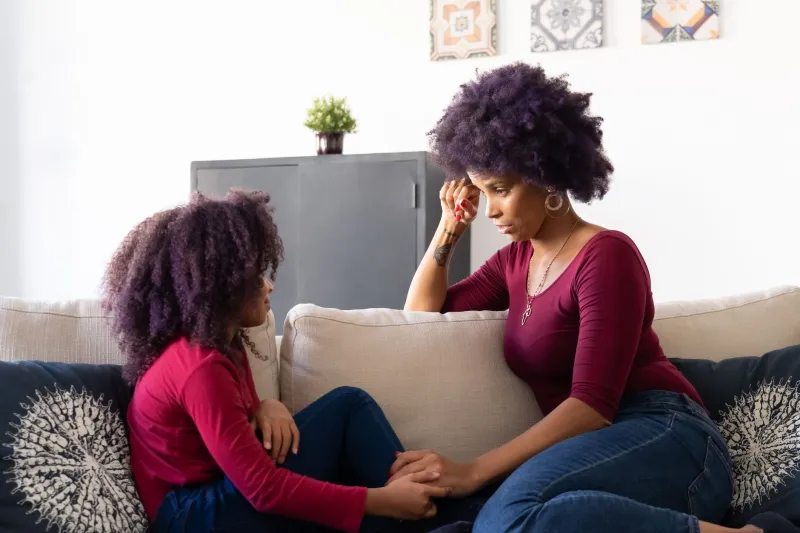
We Almost Let It Go Unspoken — and That Would Have Been a Mistake We Couldn't Take Back
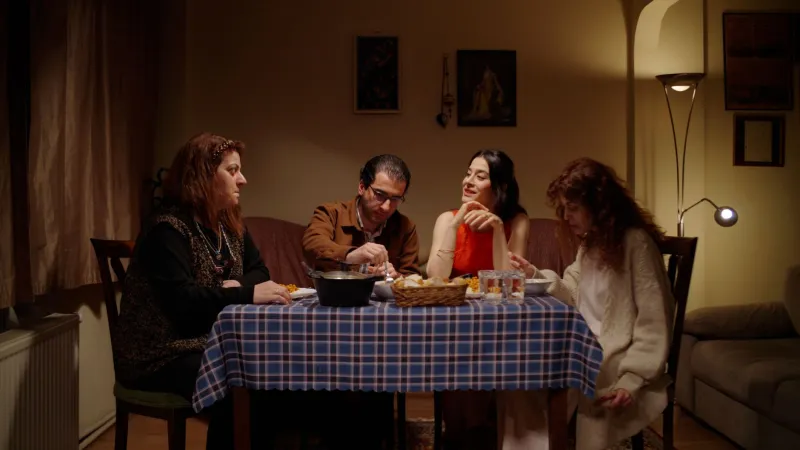
There's a version of my family where we never had the conversation. Where I kept telling myself the kids are fine, it'll blow over, bringing it up will only make it a bigger deal. Where the tension between my two kids quietly calcified into something permanent, and we all learned to tiptoe around it so well that eventually we forgot it was even there.
That version of my family scares me a little now.
Because here's what I've learned: the things we don't say don't disappear. They just go underground, where they're harder to see and harder to fix.
What We'd Been Avoiding
For about four months last year, there was something off between my kids. My older one, Caleb, was fourteen. My younger one, Jess, had just turned eleven. They'd always been close in the way that siblings with a three-year gap can be — not best friends, but genuinely fond of each other, easy together in the ways that matter.
Then something shifted. Caleb had started high school and was navigating all the social upheaval that comes with that. Jess, meanwhile, was in that pre-teen stretch where she needed more from the people around her, not less. The gap between their needs had widened at exactly the wrong moment, and the friction between them had gotten real.
Most of it looked like ordinary sibling stuff on the surface — eye-rolling, short answers, Caleb clearly annoyed by Jess's presence in a way he hadn't been before. But I could see it landing on Jess differently than regular sibling squabbling does. She'd gotten quieter at home. She stopped trying to include herself in what Caleb was doing. She'd started eating faster at dinner just to leave the table sooner.
I kept telling myself it was a phase. I kept waiting for it to even out on its own.
Why I Almost Stayed Quiet
The thing about having a hard conversation with your kids is that it requires you to believe the conversation is survivable. And for a while, I genuinely wasn't sure this one was.
Caleb was in a tender spot — high school is its own kind of brutal, and I didn't want to pile onto whatever he was already carrying. Jess was sensitive enough that I worried that naming the dynamic out loud would make her feel worse, not better. And I had this deep, irrational fear that if I said I've noticed things have been difficult between you two, they would somehow both turn on me, and we'd end up in a worse place than where we started.
So I stalled. For months.
Until one Sunday, something small pushed me over the edge. We were all in the car on the way home from a family thing, and Jess made a comment — a tiny, throwaway comment — and Caleb responded with a dismissiveness that was just sharp enough to be unkind. Jess went silent. I watched her face in the rearview mirror.
I knew I couldn't wait anymore.
The Conversation That Changed Things
That night, after dinner, I asked both of them to stay at the table. Not with the energy of someone's in trouble, but just — stay, please. I need to say something.
I told them what I'd been seeing. Not accusingly. I didn't frame Caleb as the villain or Jess as the victim. I just said, honestly, that I'd noticed things had felt harder between them lately, that I didn't think either of them had meant for it to happen, and that it was bothering me because I knew they loved each other and I didn't want them to lose that.
Caleb was defensive at first — the way teenagers get when they sense they're about to be asked to account for something. But I kept my voice even and I kept going. I said something like, "I'm not here to assign blame. I just think something's been going on for both of you, and I thought maybe we should talk about it."
What came out over the next forty minutes surprised me.
Caleb talked about how overwhelmed he'd been — not just by school but by the pressure of figuring out who he was becoming, and how sometimes being around his family felt like too much input when he was already at capacity. He hadn't had words for that before. He hadn't known he needed to say it.
Jess talked about missing him. Not in a dramatic way — just quietly, honestly, saying that she felt like he didn't want her around anymore and she didn't know what she'd done wrong.
Caleb looked at her when she said that. Really looked at her. And said, "It wasn't anything you did."
I don't think I've ever been more grateful for a sentence.
What Avoidance Actually Costs
I've thought a lot about what would have happened if I'd kept waiting. The version of events where Jess spends another four months quietly internalizing the idea that she'd done something to deserve her brother's distance. The version where Caleb never gets the chance to articulate what he was feeling and just keeps reacting instead. The version where they both grow up with a faint, unnamed tension between them that neither one can quite explain.
Avoidance feels safe because it keeps the peace in the moment. But it's borrowing against a future where the debt is bigger and harder to repay.
The conversation wasn't comfortable. There were a few minutes where it could have gone sideways. But it didn't — and I think the reason it didn't is because I went in without an agenda beyond I want us to understand each other better.
What My Family Talks About Now
Something loosened after that Sunday. Not everything fixed itself overnight — Caleb still needed space, and Jess still needed reassurance, and that didn't change. But they both knew those things about each other now. It was out in the open.
In the months since, we've had other hard conversations — about money when things got tight, about a health scare with my mom, about a falling-out Jess had with a close friend. Each time, I've noticed it gets a little less scary to start. Because we have evidence now that we can survive the awkward beginning and come out the other side with more between us, not less.
The conversations I almost skipped are the ones my family keeps coming back to. Not because they were easy, but because they were real.
And real, it turns out, is exactly what we needed.